Prior to the 1990’s we didn’t have a name for it, but the idea of post-traumatic growth has existed long before Richard Tedeschi and Lawrence Calhoun coined the term. They were just the one to give it a name.
Post‑traumatic growth is the positive psychological change that some people experience after going through a deeply challenging or painful event. It doesn’t mean the trauma was “good” or that suffering is required for growth. It’s more about how, over time, people can reorganize their understanding of themselves and the world in ways that feel stronger or more meaningful.
Many people have this belief that after I go through something awful that I’m stuck with all the yuck it’s left behind. While it’s true that trauma sucks and is painful, it doesn’t mean we’re doomed to relive the event (or series of events) over and over again. We can actually grow through the pain and become the next version of ourselves.
I love the book, Man’s Search for Meaning by Viktor Frankl. He was a Holocaust survivor and a psychiatrist. He wrote that suffering stops being suffering when we can find meaning in it.
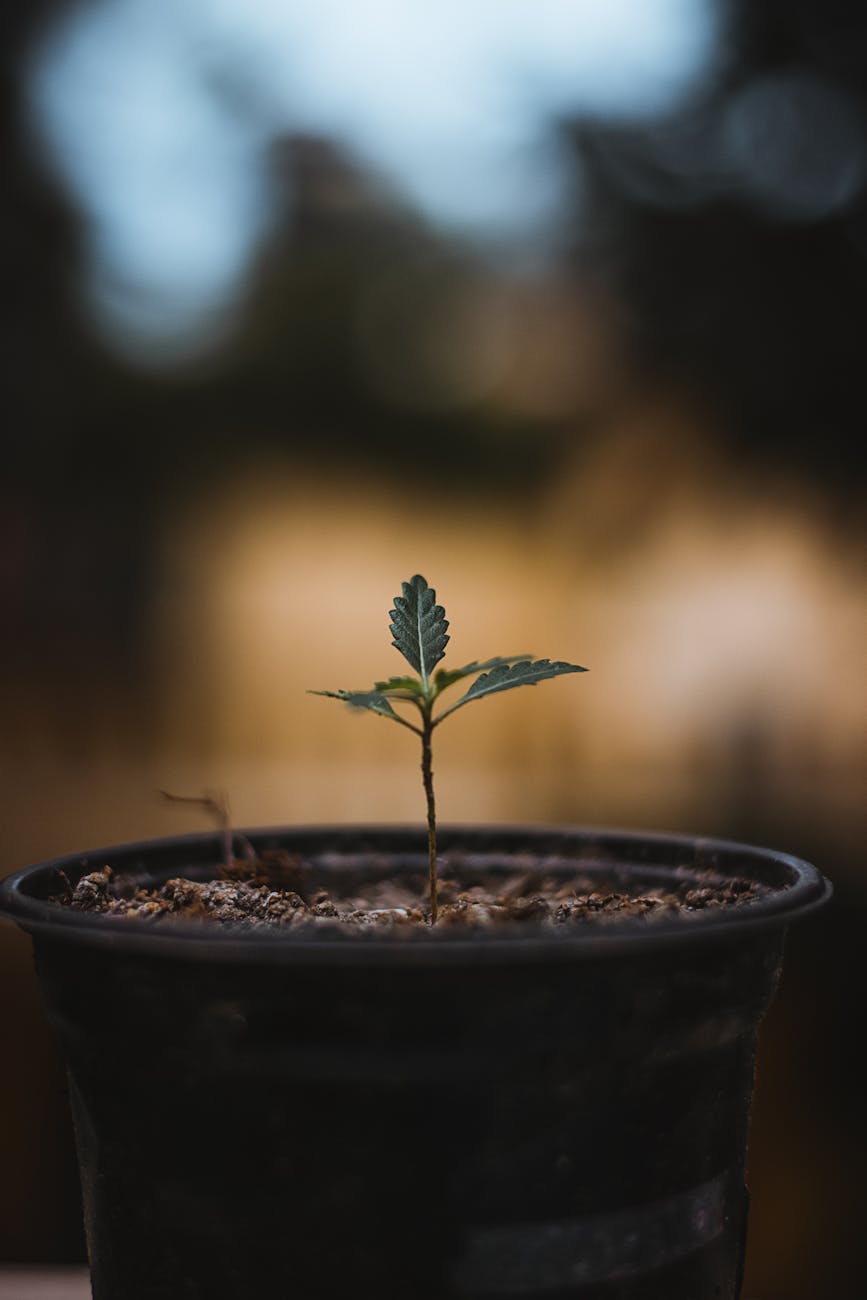
Common areas of growth include:
- A stronger sense of personal resilience
- Deeper appreciation for life or everyday moments
- More meaningful relationships or a clearer sense of who truly supports them
- New priorities or a shift in what feels important
- A sense of purpose, spirituality, or connection
It typically develops slowly, often alongside ongoing grief, stress, or trauma symptoms. Growth and struggle can coexist—many people feel both at the same time.
You don’t have to rush this process.
Post-traumatic growth isn’t something you force—it’s something that unfolds.
Some days, it might look like simply getting out of bed. Other days, it might look like noticing a shift in how you respond, what you value, or what you’re no longer willing to carry.
Growth doesn’t erase what happened. It doesn’t mean you’re “over it.” And it certainly doesn’t mean it didn’t matter.
What it does mean is this:
what happened to you does not get the final say in who you become.
Over time, with support, reflection, and space to process, it’s possible to build a life that feels more aligned, more intentional, and even more meaningful—not because of the pain, but because of how you moved through it.
If you’re in the middle of it right now, still carrying the weight of what you’ve been through, this is your reminder:
You are not stuck.
You are not broken.
And this is not the end of your story.
 Mental Health Mondays
Leave a comment