When I was in fifth grade, life was hard.
I had a bully, a single mom at home, and that was the year my position as the youngest child was officially usurped by my new baby brother.
It was a lot for a fifth grader.
My teacher that year was Mr. King. He was one of the few male teachers I had during my elementary school years. He was a big,tall guy with skin the color of mocha and a commanding larger-than-life presence.
When our classroom got particularly unruly, Mr. King had a unique way of getting our attention. He would slam his big hand down on a desk, and a loud TWUNK! would echo throughout the room, shocking us all into silence.
Honestly, it was a little terrifying.
And I think that was the point.
It was remarkably effective at bringing a room full of chaotic fifth graders to a screeching halt. But Mr. King was more than the impressively knowledgeable “old” guy with a loud way of getting our attention. He was also my hero.
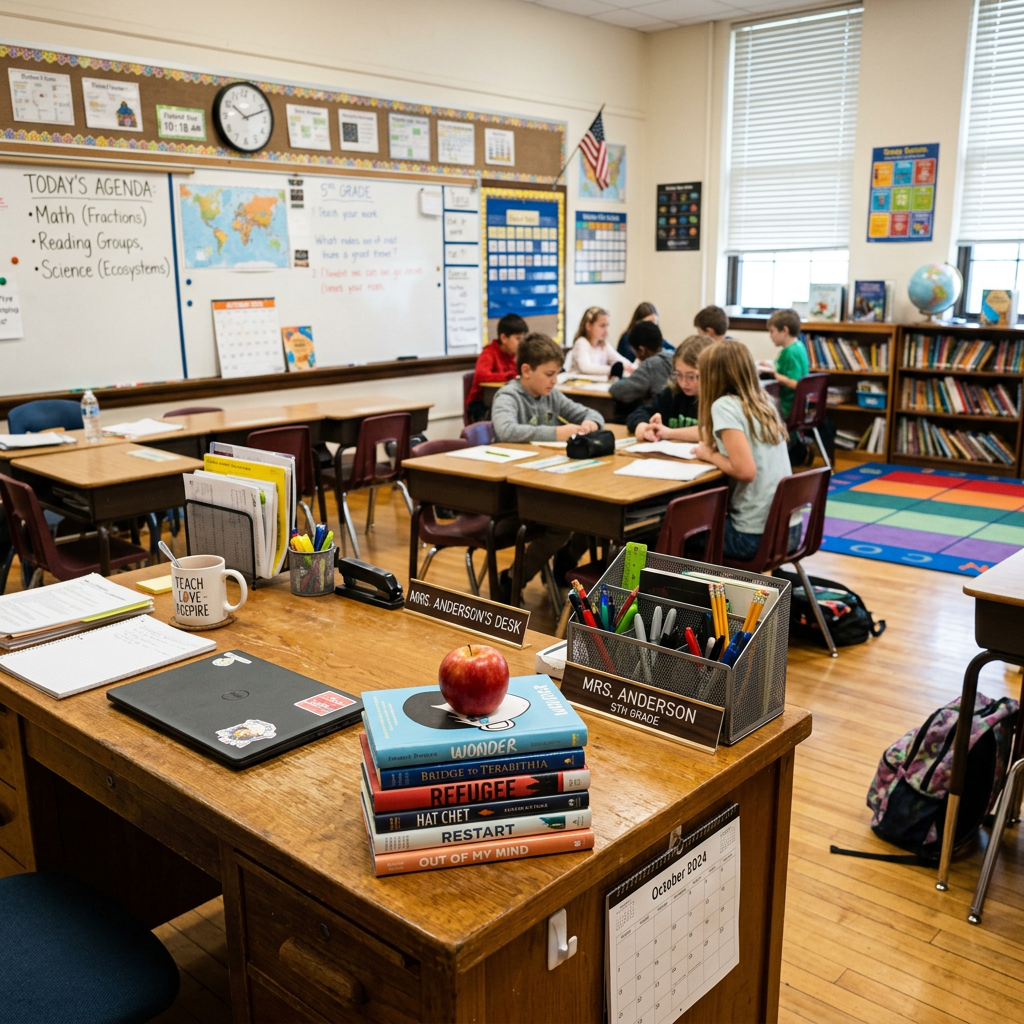
You see, Mr. King saw me.
In a classroom full of awkward, prepubescent kids, he somehow noticed the little girl who was struggling. He took me under his wing. I don’t remember all the details of what he said or did, but I remember how he made me feel.
Seen. Valued. Capable.
And somehow, his attention created space for me to flourish.
He helped cultivate this thing we call resilience.
We talk a lot about resilience in mental health. We often describe it as the ability to bounce back from adversity, navigate difficult circumstances, and adapt to life’s challenges.
But I wonder if we’ve misunderstood something about resilience.
Somewhere along the way, we began treating resilience as an individual accomplishment. As though resilient people are simply those who have learned to be strong enough to withstand whatever life throws at them.
But resilience isn’t always something we develop in isolation. Sometimes resilience grows because someone sees us when we feel invisible. Sometimes it develops because someone believes in us before we’ve learned to believe in ourselves. And sometimes resilience begins with the experience of feeling safe, supported, and connected to another human being.
Mr. King didn’t remove the challenges from my fifth-grade life. I still had a bully. My family was still navigating changes. And I was still trying to figure out who I was and where I belonged.
But he changed something about how I experienced those challenges.
He became a safe person in a difficult season. And that mattered.
From a nervous system perspective, supportive relationships can help us experience greater emotional safety and develop the capacity to navigate stress. Through experiences of connection and co-regulation, we begin learning that difficult emotions are manageable and that we don’t have to face every challenge alone.
This is one of the beautiful things about being human.
We are shaped by our relationships.
And sometimes, the most powerful thing we can offer another person isn’t advice, a solution, or even encouragement. It’s our attention. It’s noticing. It’s communicating, through our words and actions, I see you. You matter. I’m glad you’re here.
I wonder how many of us can look back and identify a Mr. King in our own lives.
A teacher. A coach. A grandparent. A neighbor. A friend.
Someone who saw something in us that we couldn’t yet see in ourselves.
Which leads to wonder, how many opportunities do we have today to be that person for someone else? Because here’s what I’ve come to believe:
Resilience isn’t simply about how much we can endure. Sometimes it’s about having someone beside us who reminds us that we don’t have to endure it alone.
Mr. King probably had no idea that the little girl sitting in his fifth-grade classroom would still be thinking about him decades later.
But I am.
And perhaps that’s the extraordinary thing about ordinary acts of kindness.
We rarely know how far their impact will reach.
So, who was your Mr. King?
And perhaps more importantly, whose Mr. King might you be?


Leave a Reply